
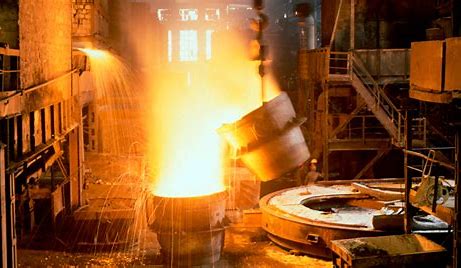
A career as a minerals or metallurgical engineer can be both challenging and rewarding. These engineers are responsible for designing and implementing safe and efficient processes for extracting, refining and processing minerals and metals. They also focus on developing new technologies and techniques to improve the efficiency and sustainability of mining operations. If you are interested in a career in minerals or metallurgical engineering, there are a few key steps you can take to get started.
The first step in becoming a minerals or metallurgical engineer is to pursue a degree in minerals or metallurgical engineering or a related field. Most minerals or metallurgical engineering programs will include a mix of classroom instruction and hands-on experience, covering topics such as mineral processing, extractive metallurgy, thermodynamics, and environmental management.
After you have completed your degree, you will need to gain experience in the minerals and metallurgical industry. This is typically done through internships or entry-level positions at mining or processing companies. During this time, you will have the opportunity to work on real-world projects and learn from experienced engineers.
As you gain experience and build your skills, you can move up the ranks and take on more responsibility within the company. This may include managing mineral processing operations, developing new technologies and techniques, or overseeing safety and environmental compliance.
One of the most important skills for a minerals or metallurgical engineer is knowledge of the industry’s best practices, safety regulations and environmental regulations. These engineers must be able to design, develop and implement processes that meet the needs of their companies while also ensuring that the operations are conducted safely and in an environmentally responsible manner.
Another important skill is the ability to work well in a team. Minerals or metallurgical engineers often work with other engineers and scientists, as well as with mine managers, safety personnel and other workers. Strong communication and collaboration skills are key to success in this field.
As a minerals or metallurgical engineer, you will have the opportunity to work on a wide range of projects, from small-scale mineral processing operations to large-scale mining projects. According to the US Bureau of Labor Statistics, the median salary for mining and geological engineers is $86,830 per year, with a range of $65,830 to $112,830 per year. It can be a challenging and rewarding career, with the potential to make a real impact on the industry and the world.
Overall, a career as a minerals or metallurgical engineer can be a challenging and rewarding path, with the potential to make a real impact on the industry and the world. If you are interested in pursuing this career, start by pursuing a degree in minerals or metallurgical engineering or a related field, gain experience in the minerals and metallurgical industry, and develop key skills such as knowledge of best practices and the ability to work well in a team, and expect a salary range of $65,830 to $112,830 per year.
 Mine Resources
One response to “Start Your Career As A Minerals/Metallurgical Engineer”
Great Article
LikeLike